
Erosion Control: Preventing Yard Washout After Heavy Storms
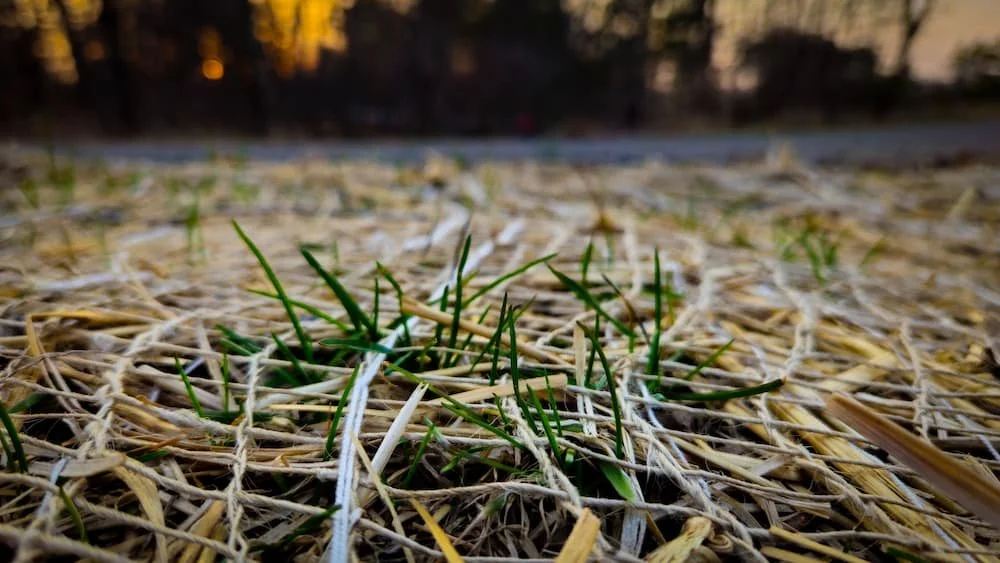
• Erosion begins when fast-moving runoff strips soil from slopes and low areas.
• Grading, swales, stone, and plantings can slow water and keep soil in place.
• Fixing drainage at the source helps protect lawns, foundations, and larger properties.
Heavy storms can turn a small drainage issue into serious soil loss. Effective erosion control starts by understanding where water is moving and why soil is being carried away. In Lincoln, NE, sloped yards, bare areas, and poorly directed runoff can contribute to repeated washout.
How Erosion Damages Your Property
As soil moves, it can expose roots, thin lawns, create channels, and carry sediment into lower areas. Water may also begin flowing toward patios, driveways, or foundations. On acreages, arenas, and larger properties, the same process can create broader drainage problems.
Yard Erosion Solutions That Work
The right approach depends on the slope, soil, and how much water moves through the property. Swales can redirect runoff, while natural stone can slow water where flow is concentrated. Plantings and groundcovers help stabilize soil by creating root systems that hold the surface together. For hillside erosion control, vegetation often works best when paired with grading or drainage improvements.
Stop Erosion at the Source
If water is still being directed through the wrong area, surface repairs may only be temporary. Our team looks at grading and drainage together so water can move safely while protecting the surrounding landscape. Spohr's Landscaping has served Lincoln and the surrounding area for decades with practical, custom solutions.
If you are seeing washout, exposed soil, or channels after storms, contact us for an erosion and drainage assessment before the next season of heavy spring storms.
Image credit: // Shutterstock // mailcaroline