Proper drainage prevents pressure from building up behind retaining walls.
Gravel backfill, drain tile, and water outlets support long-term stability.
Choose materials that match your landscape and soil conditions.
A retaining wall holds back soil, levels sloped spaces, and can reduce erosion. For homeowners considering retaining wall installation in Lincoln, NE, water management matters as much as appearance.
Why Proper Retaining Wall Drainage Matters
Rain and irrigation can saturate soil behind a wall. When water is trapped and builds hydrostatic pressure, it can push the wall to lean, crack, or bulge. Effective retaining wall drainage typically includes:
Gravel backfill: Creates a path for water to move downward.
Drain tile: Perforated piping near the base collects water and directs it toward a suitable outlet.
Weep holes: Allow trapped water to escape when included in the wall's design.
Drainage requirements depend on wall height and site conditions. Directing surface runoff away from the wall also helps prevent water buildup.
Choosing the Right Retaining Wall Materials
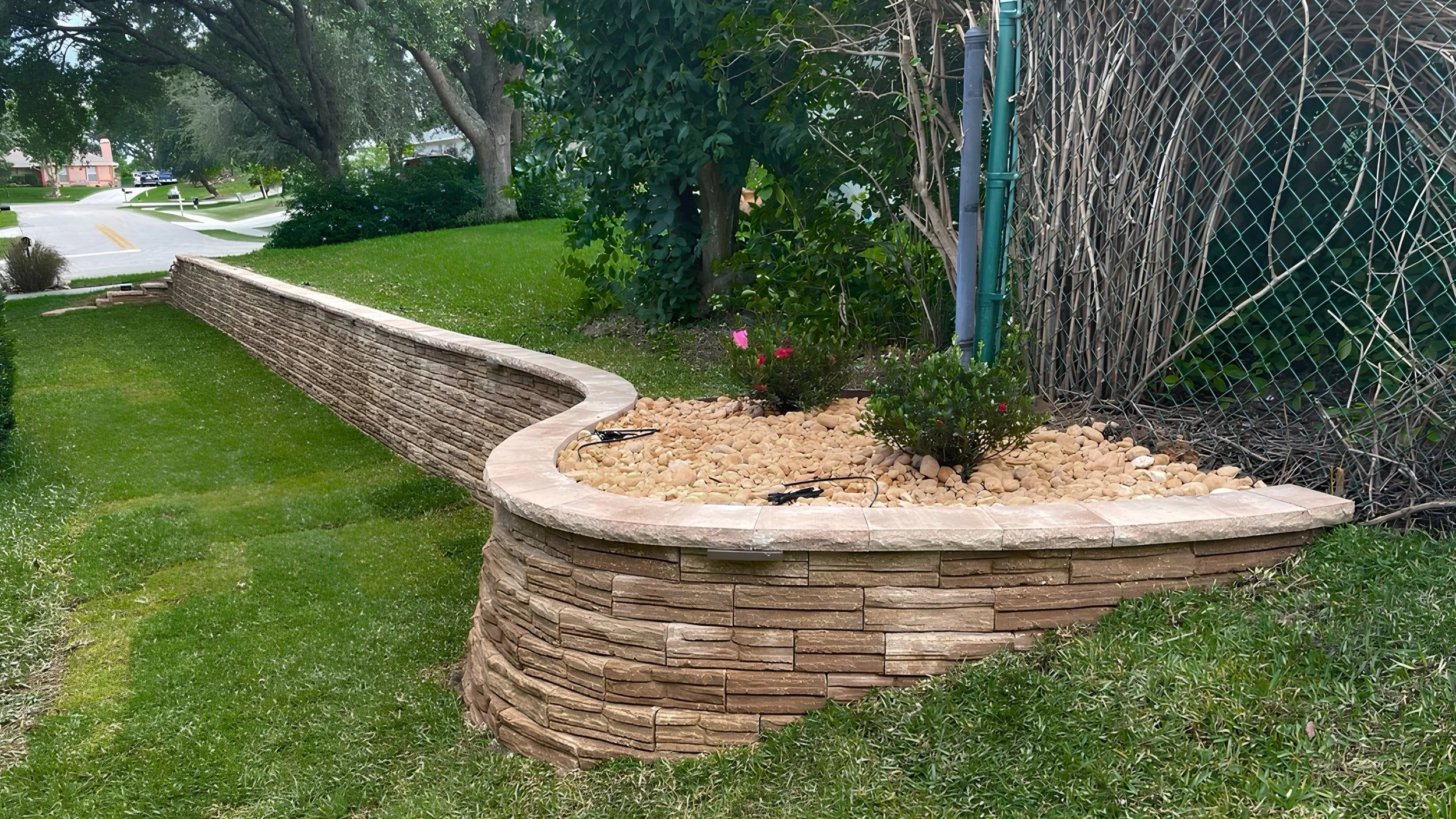
A natural stone retaining wall offers an organic appearance that complements gardens and curved landscapes. Concrete blocks provide a consistent look and can accommodate a range of structural designs. Timber creates a rustic appearance, but prolonged ground contact and moisture can shorten its lifespan.
Regardless of material, a lasting retaining wall needs a stable foundation, proper soil preparation, and sound construction.
Warning Signs and Building for Long-Term Stability
Leaning, bulging, separated blocks, and soil washing through joints can indicate drainage problems, foundation movement, or inadequate construction. These warning signs deserve professional attention before they cause further damage.
At Spohr's, we understand how grading and water movement affect outdoor spaces. We help homeowners throughout Lincoln and surrounding communities address drainage and landscaping concerns.
Planning improvements to your property? Contact us or call (402) 476-8588 to discuss your landscaping and drainage needs.
Image credit: Jahn Martin | Shutterstock