
What to Do Immediately After a Basement Flood
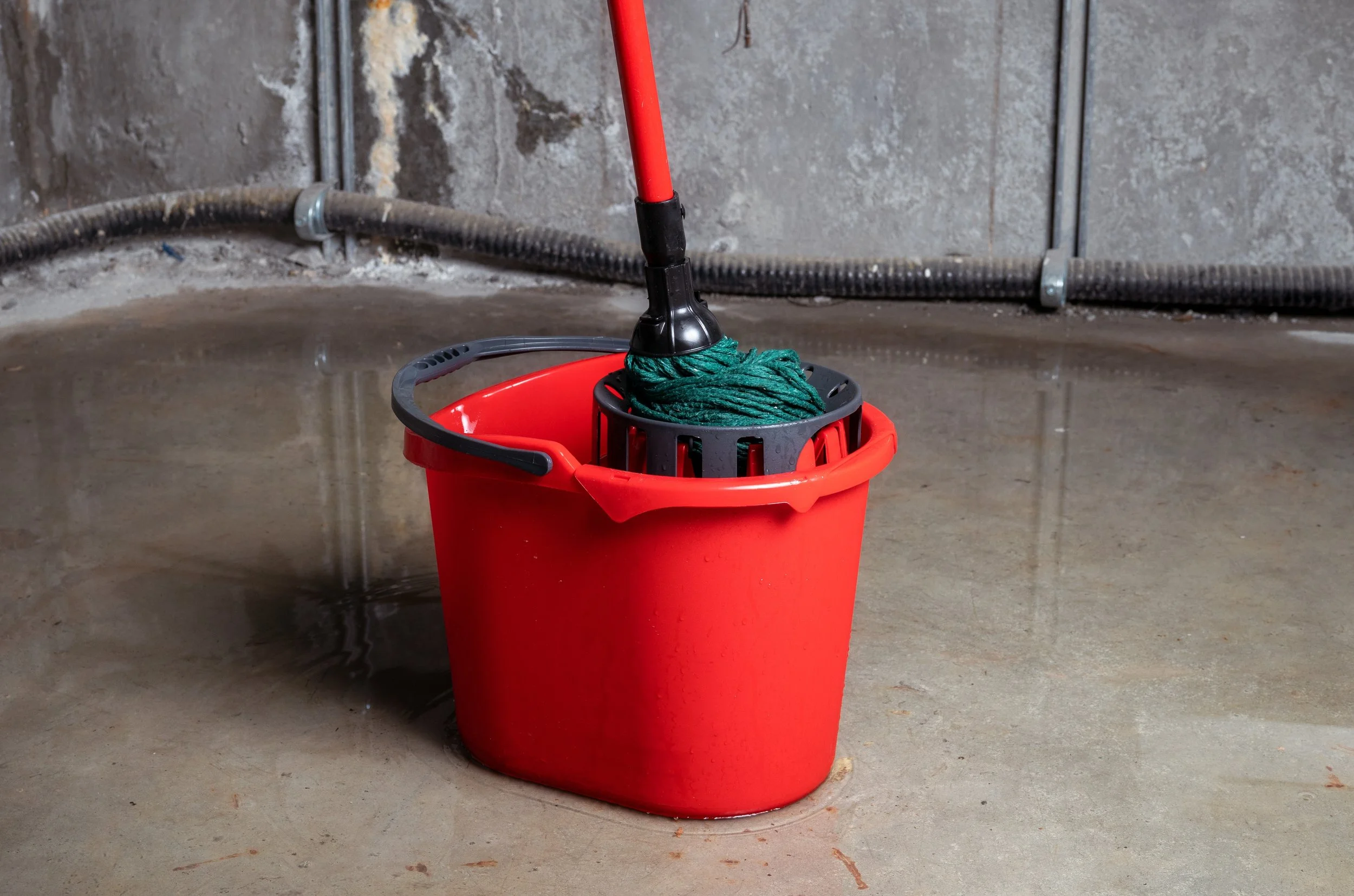
Finding water in your basement can be stressful, but the first steps you take can help limit damage and protect your home. Before entering the space, make sure it is safe. Do not step into standing water if there is any chance it could be in contact with electrical outlets, appliances, wiring, or your electrical panel. If the water may be contaminated, avoid direct contact and wait for proper cleanup support.
Start With Safety First
Look for signs of immediate danger, including strong odors, sagging ceilings, shifting walls, or visible cracks. If anything seems unstable, leave the area and call a professional. Once the basement is safe to enter, document the damage with photos for your records before moving items or starting cleanup.
Remove Water and Dry the Area
Remove standing water as soon as possible, then begin drying the space with fans, dehumidifiers, and ventilation. Wet carpet, padding, insulation, drywall, cardboard, and other porous materials may need to be removed if they cannot dry fully. The longer moisture sits, the greater the risk of mold, odors, and hidden damage.
Check for Mold and Structural Damage
After a basement flood, watch for damp walls, musty smells, peeling paint, warped flooring, and new or widening cracks. These signs may point to ongoing water intrusion, drainage issues, or foundation stress. A one-time cleanup may not solve the larger problem if water is still finding its way inside.
Prevent the Next Basement Flood
Long-term protection starts with understanding where the water came from. Spohr’s can help homeowners in Lincoln, NE, and surrounding areas evaluate basement moisture, foundation concerns, and drainage issues. Learn more about professional waterproofing, foundation repair, or contact us to schedule help after basement flooding.
Image credit: // Shutterstock // sophiecat