How Poor Drainage Leads to Mold Growth in Basements
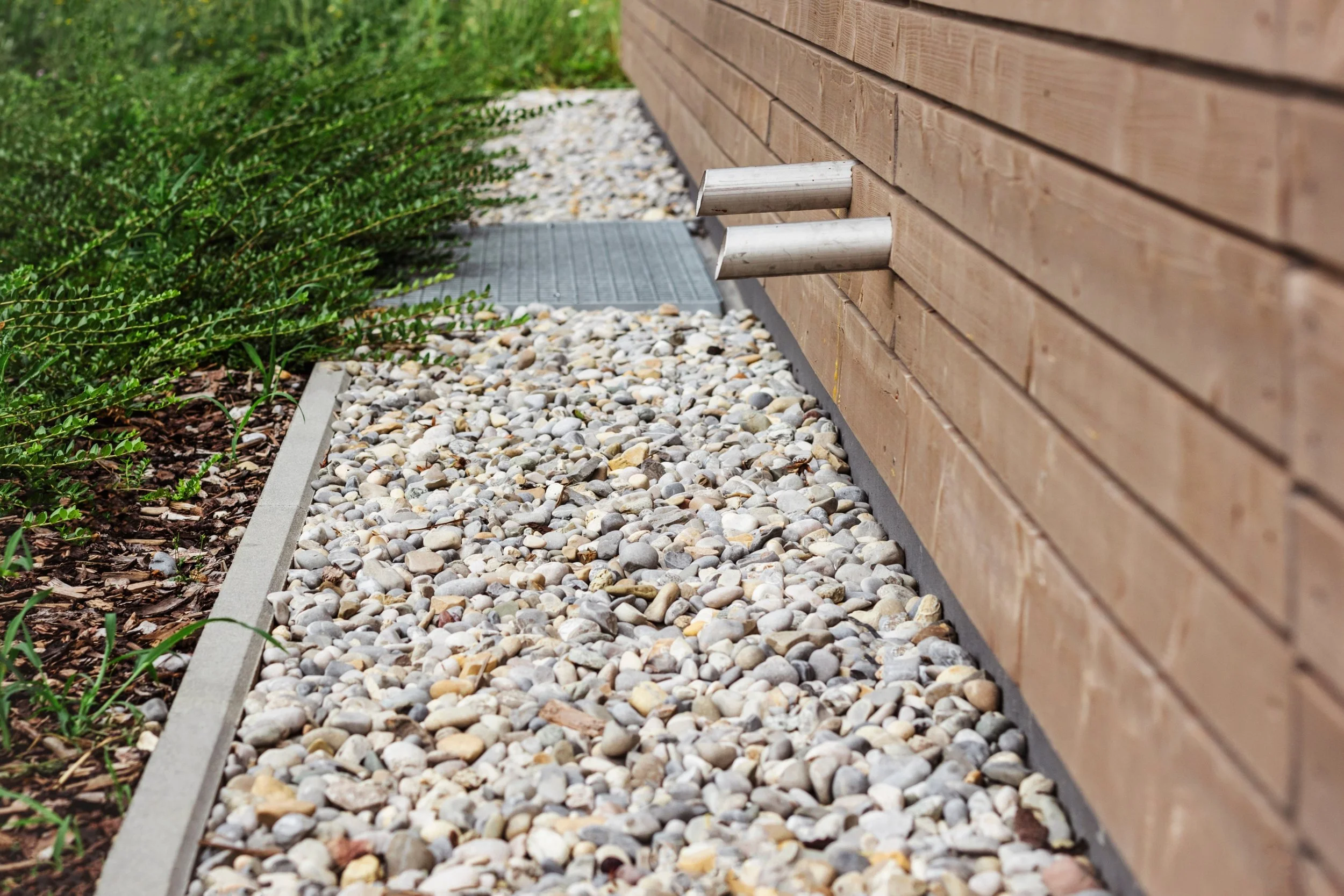
Poor drainage allows water to collect around your foundation, where it seeps into your basement and creates the damp conditions that mold needs to grow. When water is not properly redirected, the resulting poor drainage and basement mold become more than just an aesthetic issue; they become a threat to your property and health.
Spohr's understands that a healthy home begins with a dry foundation, and we focus on correcting the exterior issues that lead to interior disasters.
How Poor Drainage Allows Water Into Your Basement
Water enters basements through both surface runoff and subsurface pressure caused by poor drainage. Without a clear path away from the structure, gravity naturally pulls moisture toward your foundation.
Surface Water & Yard Grading Issues
Improper yard grading is a primary culprit, as a negative slope directs rainwater toward the house instead of away from it. When downspouts discharge too close to the foundation or runoff pools in low spots, the soil becomes saturated, significantly increasing the weight and pressure against your basement walls.
Subsurface Water & Hydrostatic Pressure
Subsurface water buildup creates hydrostatic pressure, which actively pushes moisture through tiny cracks and porous concrete. Even if you cannot see a major leak, this pressure can force dampness through the walls over time.
Why Drainage Problems Become Chronic
Repeated exposure ensures that the area around your foundation never fully dries out. This creates a cycle of constant dampness that prevents your basement from ever reaching a safe humidity level.
Why Basement Moisture Quickly Turns Into Mold Problems
Mold thrives in damp, dark environments, making a poorly drained basement the perfect breeding ground. Spores can begin to colonize in as little as 24 to 48 hours after exposure to moisture.
Early Warning Signs of Mold from Drainage Issues
Keep an eye out for musty odors or visible discoloration on your walls and floors. Other indicators include peeling paint, persistent condensation on pipes, and damp spots on drywall that never seem to vanish.
Health & Structural Risks
Mold exposure can severely impact indoor air quality and trigger respiratory health issues for your family. Structurally, chronic moisture weakens wood framing, drywall, and even foundation materials over long periods.
Why Cleanup Alone Isn’t Enough
Removing visible mold without fixing the underlying drainage leads to recurring regrowth. You must address the root cause of the water intrusion to ensure the problem stays gone for good.
Prevent Basement Mold with Professional Drainage Solutions
The most effective way to stop basement mold is to fix drainage issues at the source rather than just treating the symptoms. Spohr's specializes in custom grading, drainage correction, and water management solutions that keep your foundation dry. We believe in doing it right the first time to provide you with long-term protection and peace of mind. Contact Spohr's today to correct drainage issues and protect your home from moisture and mold before the next big storm.
Image credit: // Shutterstock // Mariana Serdynska